Page name
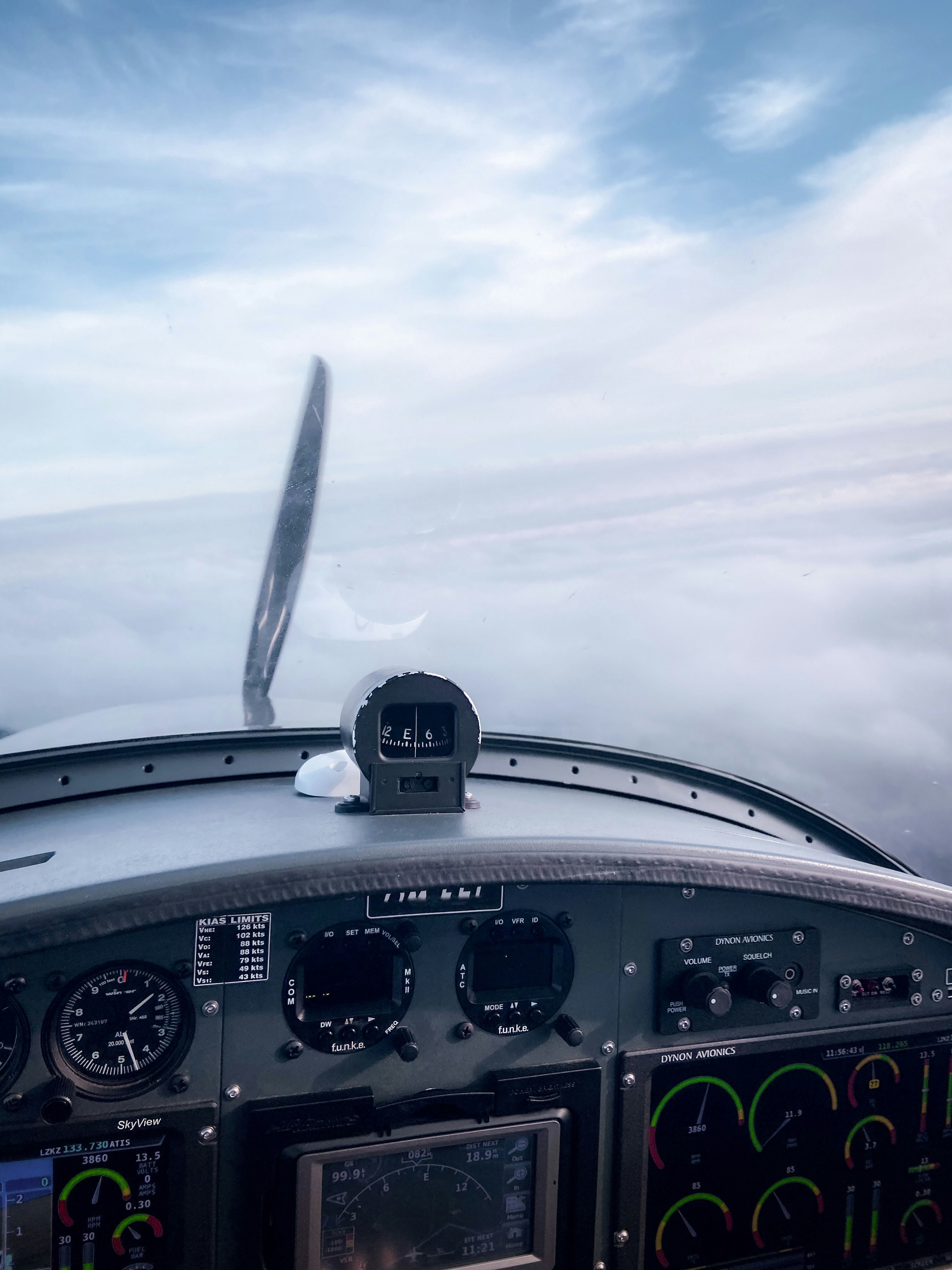
Starlink in aviation is a satellite-based internet connectivity system designed to provide high-speed, low-latency internet access on aircraft. As airlines compete on passenger experience and operational performance, in-flight connectivity is quickly becoming a strategic priority.
Recent comments by Mr Beast, suggesting he would prioritise flights offering Starlink connectivity even over convenience, have drawn wider attention to a shift already underway.
“Oh, this flight has an extra hour layover? I don’t care, there’s Starlink. I’ll sit in the back of the plane if it gives me Starlink.”
Passenger expectations are rising, and airlines are responding with investment in next-generation aircraft connectivity.
For aviation engineers and hiring leaders, that investment directly affects workforce planning.
What Is Starlink In-Flight Internet?
Starlink in-flight internet uses a network of low Earth orbit satellites to deliver broadband connectivity to aircraft. Compared with traditional satellite systems, it offers:
- Higher bandwidth
- Lower latency
- More consistent coverage over oceans and remote regions
- Improved performance for streaming, video calls and cloud-based applications
For passengers, this means reliable access to work and entertainment. For airlines, it strengthens aircraft connectivity and supports wider digital upgrades across onboard systems.
For aviation recruitment, it increases demand for specialist talent.
Why Starlink Is Increasing Demand for Aviation Engineering Talent
In-flight connectivity programmes introduce new technical requirements across both new-build and retrofit aircraft.
Retrofit programmes, for example, require coordination across engineering, certification and operations teams while minimising aircraft downtime.
That combination of technical depth and programme pressure drives hiring demand for:
Avionics engineers
Supporting antenna integration, onboard systems upgrades and certification activities.
Systems integration specialists
Connecting satellite hardware with existing aircraft electrical and communications systems.
Electrical and communications engineers
Managing power distribution, signal performance and onboard connectivity reliability.
Programme managers
Overseeing supplier coordination, regulatory approval and fleet-wide implementation.
Technical leaders
Providing oversight across engineering delivery, compliance and operational integration.
Engineers with systems integration or aircraft modification expertise are likely to see sustained demand as connectivity programmes expand.
Employers, meanwhile, are competing for specialists who understand both aircraft systems and advanced communications technology.
What This Means for Aviation Recruitment
At Spencer Riley, we specialise in executive search across aviation and advanced engineering, supporting OEMs, suppliers and businesses during periods of technological transition.
We help secure the engineering and technical talent required to deliver next-generation aircraft connectivity and passenger experience solutions.
In recent discussions with aviation leaders, digital integration and aircraft connectivity have featured more prominently in workforce planning conversations. As aircraft systems become more interconnected, hiring plans need to account for a wider mix of technical expertise, including:
- Senior avionics and systems leadership
- Programme delivery experience
- Cross-functional integration capability
- Certification and regulatory knowledge
This reduces delivery risk and protects rollout timelines.
Speak to Adam Garvey
If you are building engineering capability or considering your next move in aviation, speak to Adam Garvey.
Adam works closely with employers and technical professionals across avionics, systems integration and programme leadership. His focus is on aligning engineering talent with the future of aviation innovation.

Related Insights



Contact us today
Spencer Riley’s team of highly dedicated, specialist consultants’ pride themselves on gaining a full understanding of our client’s business,